
Our Approach
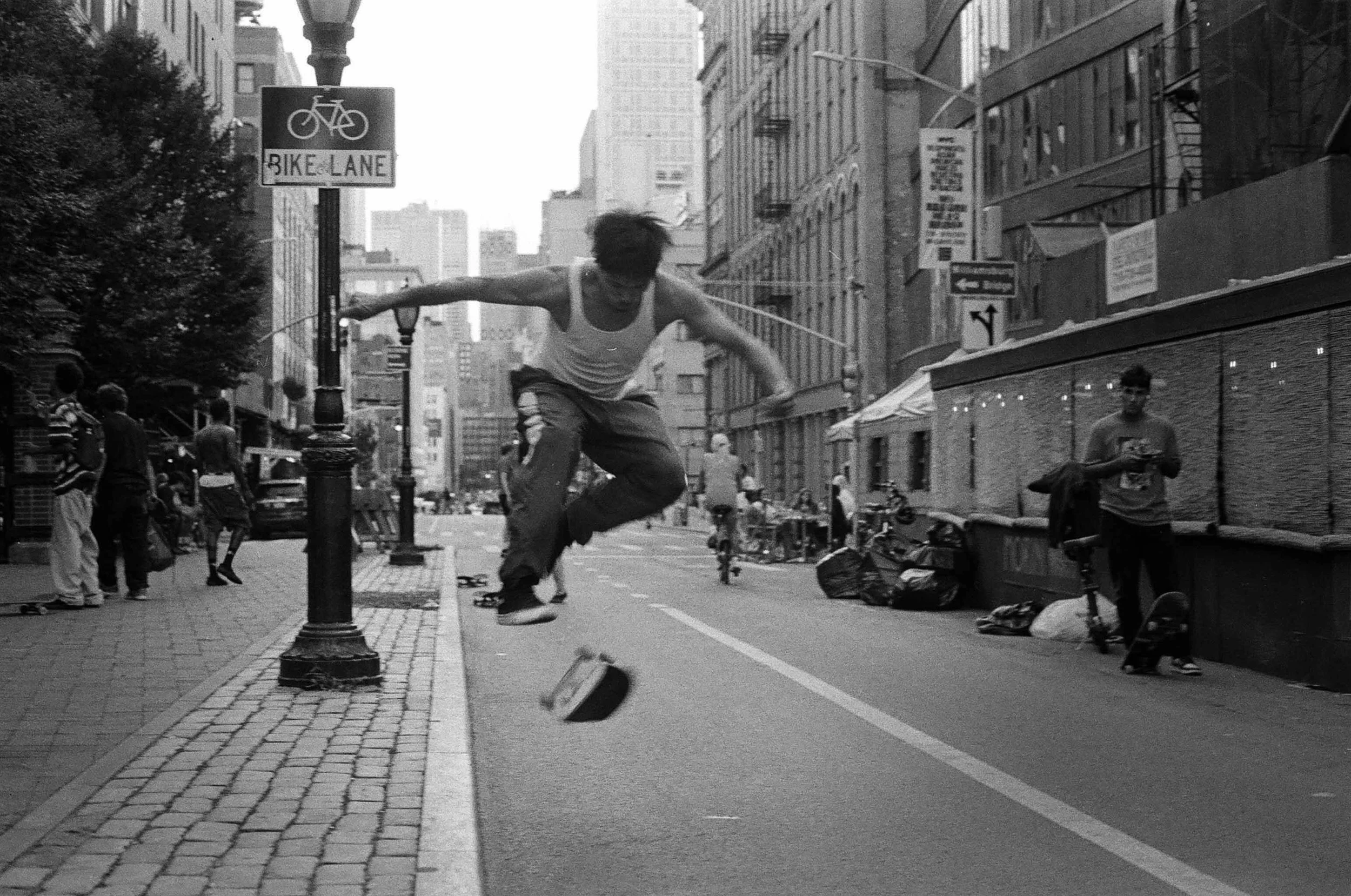
Skate Urbanism & The Rollerscape
It’s difficult to concisely describe a place that is like a skatepark, but more than just a skatepark. We love skateparks, but we also love integrated skate spots, multi-use public spaces, sculptural playscapes, roller rinks, pump tracks, and everywhere else where wheels can roll. That’s why we coined the term Rollerscape. It’s a landscape where people of all ages and abilities are free to roll, and it can take many different forms.
Our work is informed by the developing field of Skate Urbanism, the practice of designing places where opportunities for skateboarding are woven into everyday public life, not isolated in fenced concrete rectangles. It views skateboarding and other roller sports not as a problem to be contained, but as an activity that makes public space safer, more inclusive, and more alive.
Rollerscape is your guide to implementing that practice - helping municipalities, design firms, and community advocates plan, integrate, and activate rolling spaces that people actually use and love.
What Skate Urbanism Looks Like in Practice
Skate Urbanism isn’t about making every space into a skatepark, but rather considering holistically how people on wheels move through their cities and identifying where opportunities for playful rolling could benefit the broader community. It might look like:
A waterfront promenade that includes resilient furnishings instead of ubiquitous skate stoppers, with thoughtful design details to ensure pedestrian safety.
A new plaza space with artwork by a local sculptor that can be played upon rather than roped off.
A multi-use pathway with an undulating pump-track diversion to encourage active transit use.
A new sport court in a park that can be shared by a variety of different users without conflict.
A skatepark development strategy that identifies opportunities and creates a city-wide plan to meet growing needs over time.
This is the kind of approach needed to truly meet the needs of all roller sports participants. If you think Rollerscape could help your project or community achieve better outcomes, let’s talk!
Roller sports can’t be confined.
Skateboarding and other roller sports are not golf. They’re not pickleball. You don’t just drive to the park, play a game of skateboards, and drive back home. These activities are so much more than an organized sport - they are a mode of sustainable transportation, they are an art form, they are a connection to community and a means of self-expression. There are no rules or referees, there are no boundaries that cannot be crossed. These activities are ever-evolving, growing, changing and expanding, which is why thoughtful planning and integration into public space is so essential for them to thrive.
The practice of Skate Urbanism has embraced this approach, and the results are already overwhelmingly positive. Roller sports bring positive energy and vibrancy to otherwise neglected or underutilized public spaces, benefiting far more than just the active participants. However, new terrain must be thoughtfully implemented for the intervention to yield the results planners hoped for. Not every attempt at Skate Urbanism has been a success, primarily instances when non-skatepark and roller sport experts attempt to implement a new feature without getting the details right. That’s where Rollerscape comes in!
Let’s collaborate to shape the next generation of master planned and expertly integrated riding spaces. Beyond building a conventional skatepark, we can shape a progressive rollerscape across your project or community to connect a diverse range of people, places, and experiences.
Why it Matters for Cities and Communities
A well-designed rollerscape can benefit more than just skateboarders. The research and practice consistently shows that integrated rolling infrastructure can help you:
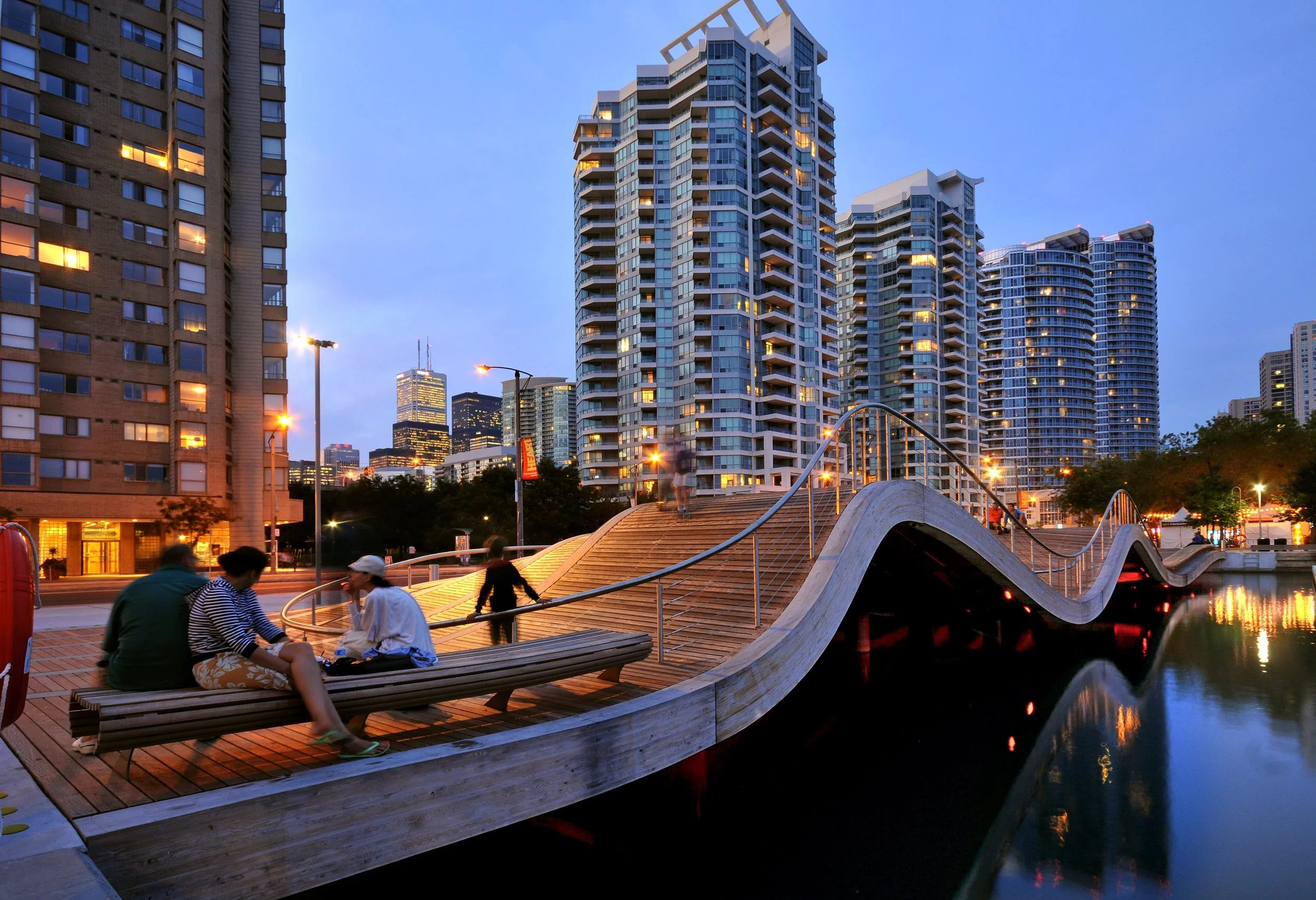
Examples of Rollerscape typologies and design services include:
Concrete Playscapes
Master Planned Networks
Rideable Sculptures & Public Art
Active Transit Enhancements
Resilient Furnishings
Skate Spots
Urban Plazas
Roller Rinks & Tracks
Pump Tracks
All-Wheel Accessible Features
Renovations & Upgrades
Skatepark Assessments
Feasibility Studies
Covered & Indoor Spaces
Rollerscape can support your project or community at any phase of development, from initial planning and community engagement through design development and construction support. We know every project is different and requires certain services depending on the scale, context, and preferences of local riders. For the best possible outcome, though, an end-to-end comprehensive approach to planning and implementation is the best approach to these projects, large or small. Here’s our recommended process - we’re here to help you through every step!